
Understanding Retatrutide: A Research Guide
The landscape of metabolic research is constantly evolving, with new compounds emerging that promise to redefine our understanding of weight management and metabolic diseases. One of the most talked-about developments in this field is retatrutide, a novel peptide that has captured the attention of scientists and researchers worldwide. Its unique triple-agonist mechanism of action presents a significant leap forward from previous treatments, offering a multi-faceted approach to metabolic regulation.
The Science of Retatrutide Peptide
Retatrutide is an investigational polypeptide developed for its potential in managing obesity and type 2 diabetes. What sets the retatrutide peptide apart is its function as a triple-hormone-receptor agonist. It is engineered to activate three distinct receptors involved in metabolism:
Glucagon-Like Peptide-1 (GLP-1) Receptor
Activation of GLP-1 receptors is a well-established strategy for managing type 2 diabetes and obesity. It helps regulate blood sugar by stimulating insulin secretion, slowing gastric emptying, and suppressing appetite.
Glucose-Dependent Insulinotropic Polypeptide (GIP) Receptor
GIP also plays a role in enhancing insulin release in response to nutrient intake. By targeting both GLP-1 and GIP receptors, compounds can achieve a more potent effect on glucose control and weight loss than targeting GLP-1 alone.
Glucagon (GCG) Receptor
The inclusion of glucagon receptor agonism is what makes retatrutide unique. While glucagon is traditionally known for raising blood sugar levels, its activation in this context contributes to increased energy expenditure and fat oxidation. This third mechanism adds a powerful dimension to the peptide's metabolic effects, potentially leading to more substantial weight loss.
This triple-agonist approach allows retatrutide to influence multiple metabolic pathways simultaneously. By combining appetite suppression, improved glucose control, and increased energy expenditure, the peptide offers a holistic strategy for metabolic regulation that has generated significant excitement in the research community.
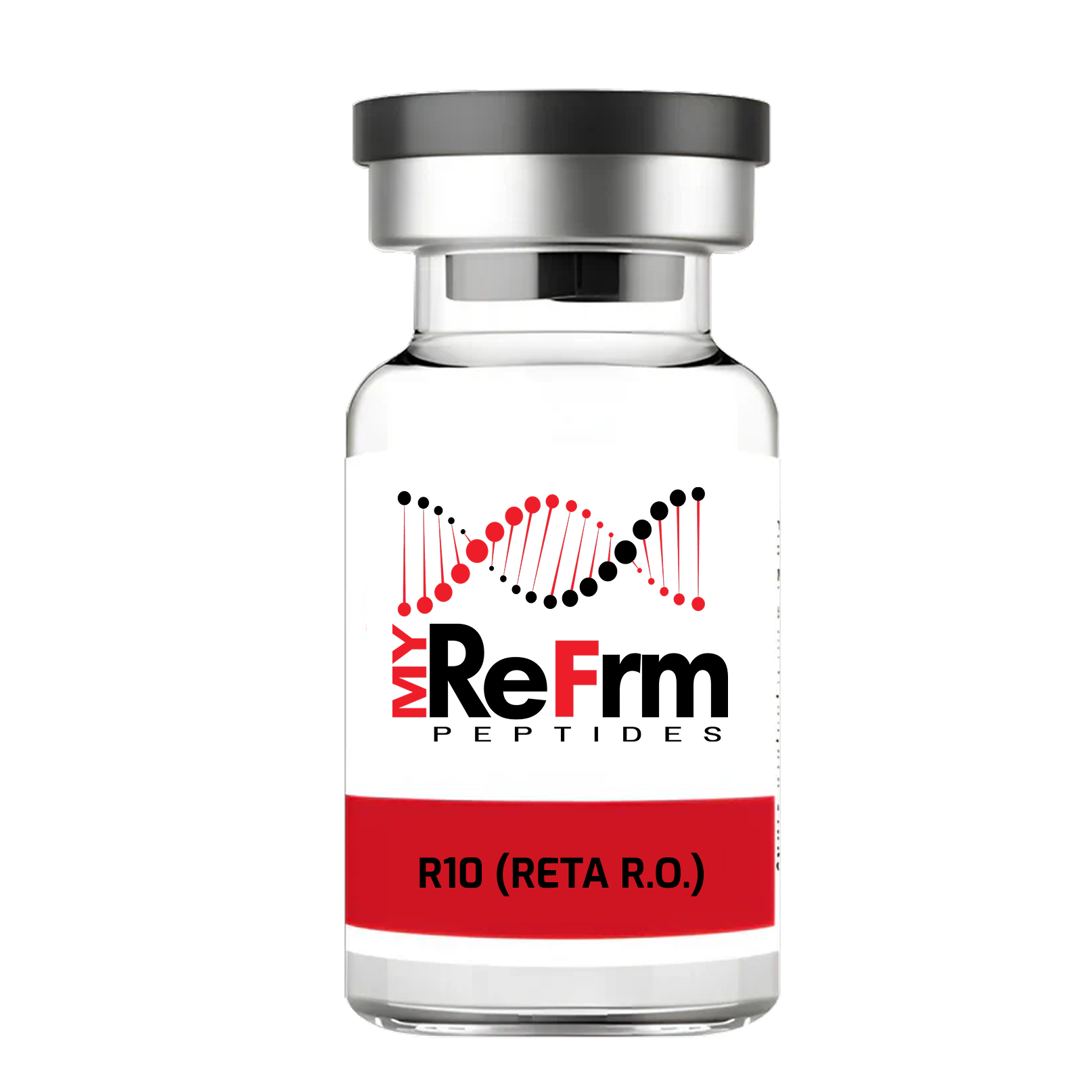
Retatrutide (R10)
Premium research-grade retatrutide peptide engineered for advanced metabolic research, obesity studies, and glucose regulation investigations. Triple-agonist activation of GLP-1, GIP, and glucagon receptors with clinical validation.
Research-Grade Quality
- >95% Purity - Verified Third-Party Analysis
- Certificate of Analysis - Full Batch Documentation
- Triple-Agonist Profile - GLP-1/GIP/Glucagon
- Storage Stability - Proper Formulation
- Researcher Support - Dedicated Technical Assistance
- Compliance Ready - Research Use Only
Amino Acid Structure of Retatrutide
To appreciate the compound's function, it's essential to understand the amino acid structure of retatrutide. Like other peptide-based therapeutics, its structure is meticulously designed to ensure stability, receptor affinity, and a prolonged duration of action in a research setting.
Retatrutide is a linear polypeptide modified with a fatty acid moiety. This lipid component is crucial, as it allows the peptide to bind to albumin, a protein found in the bloodstream. This binding process creates a circulating reservoir of the peptide, preventing its rapid degradation and clearance from the body. The result is an extended half-life, which permits less frequent administration in clinical and research settings, a significant advantage for long-term studies.
Key Structural Features
- Lipid Modification - Albumin binding creates extended half-life
- Amino Acid Sequence - Engineered for balanced triple-receptor activation
- Stability Enhancement - Resistance to enzymatic degradation
- Receptor Specificity - Precise binding to GLP-1, GIP, and glucagon receptors
Cryo-EM Studies of Retatrutide
To fully grasp how retatrutide functions at a molecular level, researchers have turned to advanced imaging techniques. Cryo-EM studies of retatrutide have been instrumental in visualizing how the peptide binds to its target receptors. Cryo-electron microscopy (Cryo-EM) is a cutting-edge technique that allows scientists to see the three-dimensional structure of proteins and other biomolecules with near-atomic resolution.
Cryo-EM Key Findings
- Confirm Binding Sites - Shows exactly where retatrutide docks into each receptor
- Explain Receptor Activation - Reveals structural changes that trigger cellular signaling
- Guide Future Design - Understanding structural basis enables next-generation peptides
- Validate Triple Mechanism - Definitive proof of triple-agonist activation
Retatrutide: Mechanism of Action
The retatrutide mechanism of action is a symphony of coordinated metabolic signals. By simultaneously activating GLP-1, GIP, and glucagon receptors, it addresses weight management and glucose control from multiple angles.
Appetite Suppression (GLP-1 and GIP)
The activation of GLP-1 and GIP receptors in the brain sends powerful satiety signals, reducing food cravings and overall calorie intake. This is a primary driver of the weight loss observed in clinical studies. Slowing gastric emptying further contributes to a prolonged feeling of fullness after meals.
Improved Glycemic Control (GLP-1 and GIP)
In response to food intake, the GLP-1 and GIP components stimulate the pancreas to release insulin. This glucose-dependent mechanism means insulin is only released when blood sugar levels are elevated, minimizing the risk of hypoglycemia.
Increased Energy Expenditure (Glucagon)
The novel aspect of retatrutide's mechanism is its glucagon receptor agonism. Activating this receptor in the liver and adipose tissue promotes an increase in metabolic rate and energy expenditure. This means the body burns more calories at rest, which accelerates fat loss and contributes to more profound weight reduction.
Clinical Relevance and Research Studies
The potential of retatrutide is not just theoretical; it is supported by compelling data from clinical trials. These studies are crucial for understanding the compound's efficacy and safety profile in a controlled human setting.
One of the landmark studies was a Phase 2 trial involving participants with obesity. The results, published in the New England Journal of Medicine, were remarkable. After 48 weeks of treatment, participants receiving the highest dose of retatrutide achieved an average weight loss of over 24% of their initial body weight. This level of efficacy surpasses that of many existing weight management therapies.
Key Clinical Findings
- Significant Weight Reduction - 24%+ average weight loss at 48 weeks
- Metabolic Improvements - Enhanced blood pressure, lipid levels, and HbA1c control
- Manageable Safety Profile - GI side effects typical and generally decrease over time
- Sustained Effects - Benefits maintained throughout study period
Comparative Analysis: Retatrutide vs Other Peptides
When evaluating retatrutide, it's helpful to place it in the context of other incretin-based therapies. A comparative analysis shows a clear evolution:
| Generation | Compound Type | Mechanism | Weight Loss Efficacy |
|---|---|---|---|
| First Generation | GLP-1 Agonists (e.g., semaglutide) | Single receptor targeting | 10-15% average |
| Second Generation | Dual GIP/GLP-1 (e.g., tirzepatide) | Dual receptor agonism | 20-22% average |
| Third Generation | Triple GIP/GLP-1/GCG (retatrutide) | Triple receptor agonism | 24%+ average |
Retatrutide represents the next step in peptide evolution. By incorporating glucagon receptor activation, it introduces the element of increased energy expenditure, leading to potentially unprecedented levels of weight loss and metabolic optimization.
How to Buy Retatrutide Online
For researchers and laboratory professionals, sourcing high-quality peptides is critical for obtaining reliable and reproducible results. When you decide to buy retatrutide online, it is imperative to choose a reputable supplier that specializes in research chemicals.
Key Considerations for Purchasing Retatrutide
- Purity and Quality - Ensure Certificate of Analysis (CoA) for each batch
- For Research Use Only - Reputable vendors clearly state laboratory research use
- Storage and Handling - Clear instructions for proper storage and stability
- Customer Support - Knowledgeable support for technical questions
Partner with MyReformed Peptides for Your Research
MyReformed Peptides specializes in premium, research-grade peptide compounds with verified purity and comprehensive analytical documentation. Our commitment to quality, transparency, and scientific excellence makes us the trusted choice for researchers worldwide.
Future Research Directions
Retatrutide represents just the beginning of a new era in metabolic peptide research. The scientific community is actively exploring expanded applications and next-generation improvements.
Cardiovascular Outcomes Trials
Large-scale trials are needed to determine if retatrutide's profound weight loss and metabolic improvements translate into reduced rates of heart attack, stroke, and other cardiovascular events.
Expanded Indications
Researchers are investigating retatrutide's potential in related metabolic conditions like non-alcoholic fatty liver disease (NASH), polycystic ovary syndrome (PCOS), and chronic kidney disease.
Long-Term Safety and Efficacy
Extended follow-up studies will evaluate the sustainability of weight loss, long-term safety with cumulative exposure, and optimal dosing strategies for maintenance therapy.
Conclusion
Retatrutide stands at the forefront of metabolic science, offering a powerful new tool for researchers investigating obesity, diabetes, and related conditions. Its unique triple-agonist mechanism, supported by robust structural and clinical data, marks a significant milestone in the field.
From its carefully engineered amino acid structure to its profound effects on appetite, glucose control, and energy expenditure, every aspect of retatrutide invites further scientific exploration. By understanding the science behind retatrutide and partnering with trusted suppliers like MyReformed Peptides, your lab can be at the cutting edge of this exciting area of discovery.
Ready to Access Research-Grade Retatrutide?
MyReformed Peptides is your trusted partner for premium, laboratory-verified retatrutide and comprehensive peptide collections for research institutions, clinical laboratories, and qualified researchers worldwide.
Every batch includes: Certificate of Analysis • Third-party verification • Proper storage protocols • Dedicated technical support