
Semaglutide is the most-searched peptide compound in the world right now, and for good reason — it anchors one of the best-studied hormone pathways in metabolic science. Here's what the GLP-1 mechanism actually is, and how it's used as a research tool.
What Is Semaglutide?
Semaglutide is a GLP-1 receptor agonist: a peptide engineered to mimic glucagon-like peptide-1, a hormone released by the gut after eating. GLP-1 plays a central role in glucose regulation — it stimulates insulin secretion, suppresses glucagon release, slows gastric emptying, and signals satiety through central appetite pathways. Semaglutide's structure was modified for a longer half-life than native GLP-1, which is what makes it useful as a long-acting research tool for studying this pathway.
Research-Grade vs. Pharmaceutical Semaglutide
It's worth being precise about this distinction. Pharmaceutical semaglutide (marketed as Ozempic and Wegovy) is an FDA-approved drug, manufactured to strict clinical and sterility standards and backed by large-scale human trials. GLP-SEMA (LTF-SM-20) is a different category of product entirely — a research-grade compound intended strictly for laboratory and in-vitro study, not for human consumption, diagnosis, or treatment.
| Category | Research-Grade GLP-SEMA | Pharmaceutical Semaglutide |
|---|---|---|
| Legal Status | Not for human use | FDA-approved, prescription only |
| Intended Purpose | Laboratory and in-vitro research | Clinical patient treatment |
| Manufacturing | Research lab standards | Pharmaceutical GMP facilities |
| Human Safety Data | Not established | Extensive Phase 3 trial data |
How the GLP-1 Pathway Works
In physiological research, GLP-1 is released from intestinal L-cells in response to food intake. It binds GLP-1 receptors in the pancreas, brain, stomach, and other tissues, coordinating a multi-organ response: increased glucose-dependent insulin release, reduced glucagon output, delayed gastric emptying, and appetite suppression via hypothalamic signaling. Because native GLP-1 is broken down within minutes by the enzyme DPP-4, long-acting analogs like semaglutide have become the primary research tool for studying this pathway over extended time courses.
What the Published Research Covers
The large body of clinical literature on semaglutide comes from its pharmaceutical formulation and its associated trial program, which has examined:
- Glycemic control — insulin secretion and glucose regulation in the context of type 2 diabetes research
- Body weight and composition — appetite and satiety signaling studied in large randomized trials
- Cardiometabolic markers — outcomes research examining cardiovascular risk factors alongside glycemic effects
- Receptor pharmacology — mechanistic study of GLP-1 receptor binding and downstream signaling, which is where research-grade compounds are most commonly used as laboratory tools
Findings from the pharmaceutical trial literature describe outcomes for an approved drug product under clinical supervision — they don't transfer to unregulated research compounds, and researchers should consult primary sources directly for methodology and results.
Featured Research Compound
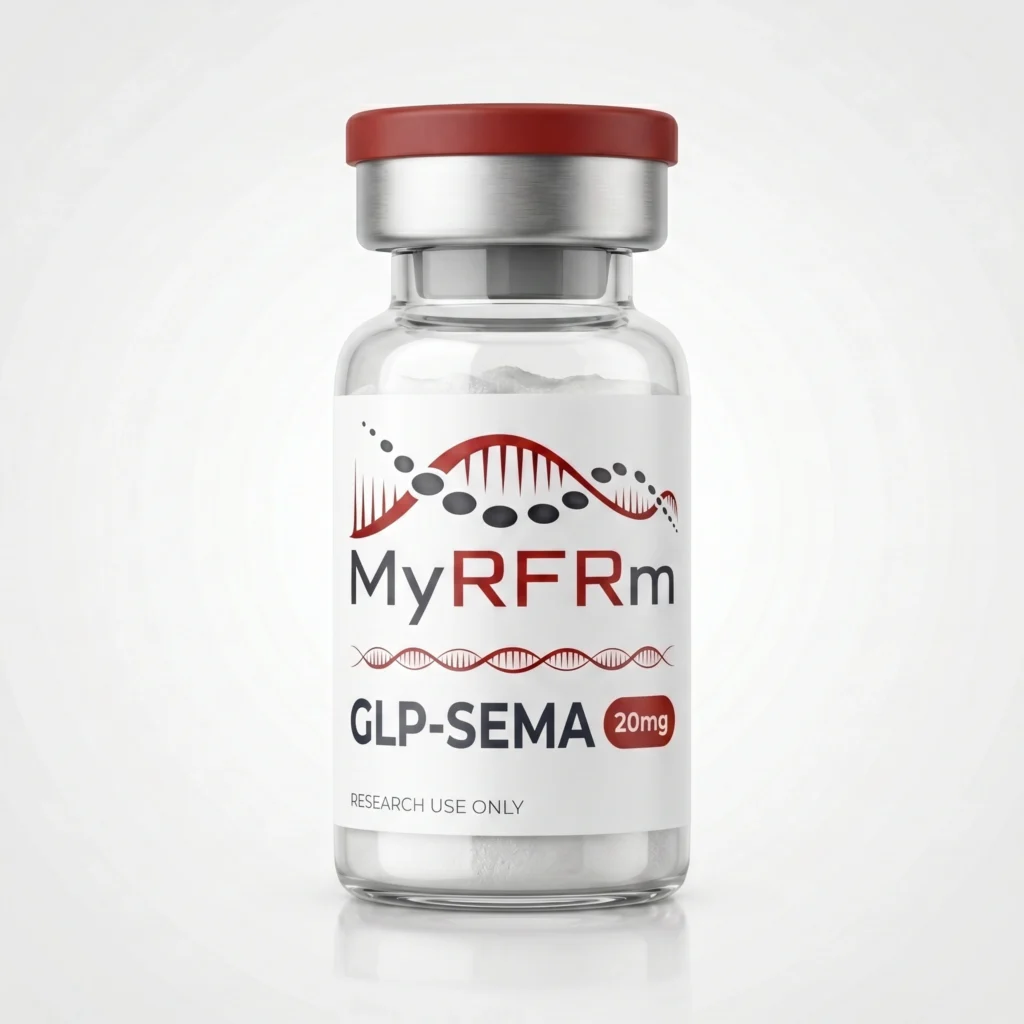
Semaglutide — 20mg Research Vial
$79.99
Lyophilized powder · For laboratory research use only
View Product DetailsWho Uses GLP-1 Research Compounds
GLP-1 receptor agonists show up across endocrinology, metabolic disease, and pharmacology research — anywhere a lab needs a stable, long-acting tool to probe insulin signaling, appetite regulation, or receptor pharmacology without the variability of native, short-lived GLP-1.
Frequently Asked Questions
What is semaglutide?
A GLP-1 receptor agonist that mimics the gut hormone GLP-1, involved in insulin secretion, glucagon suppression, and appetite signaling.
Is GLP-SEMA the same as prescription semaglutide (Ozempic/Wegovy)?
No. Those are FDA-approved pharmaceutical products. GLP-SEMA (LTF-SM-20) is a research-grade compound sold strictly for laboratory use.
What does LTF-SM-20 mean?
MyReformed Peptides' internal product code for the 20mg semaglutide research vial.
What is semaglutide studied for in research settings?
Published research on the pharmaceutical formulation covers insulin secretion, appetite regulation, gastric emptying, and metabolic signaling pathways.