
In the dynamic world of biochemical research, scientists are continually searching for compounds that can unlock new therapeutic possibilities. Two peptides at the center of that search — BPC-157 and TB-500 — have shown notable potential in preclinical studies of tissue repair, injury recovery, and inflammatory modulation.
Understanding the distinct and complementary properties of BPC-157 and TB-500 is essential for researchers designing experiments in regenerative science. This guide covers the foundational biology behind both peptides, how they're used in preclinical settings, and what the existing evidence suggests about their mechanisms.
What Is BPC-157?
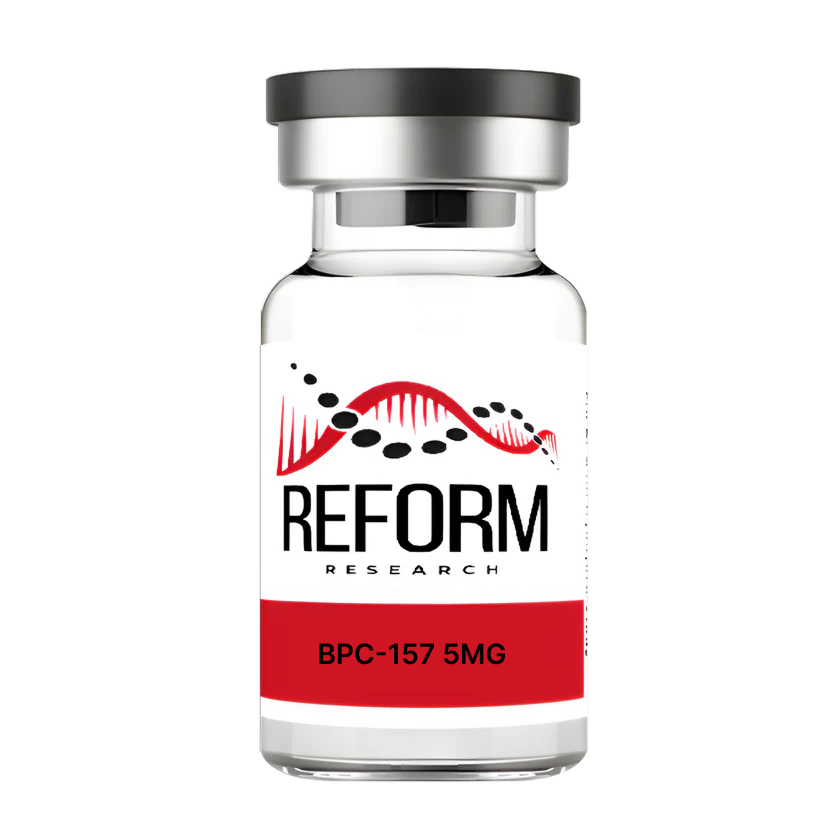
BPC-157 is a synthetic 15-amino-acid peptide fragment derived from Body Protection Compound, a protein originally identified in human gastric juice for its role protecting the stomach lining. Researchers isolated this specific sequence after observing protective effects that extended well beyond the digestive system.
In preclinical research, BPC-157 has been studied across a range of tissue types, including muscle, tendon, ligament, bone, and skin. Proposed mechanisms include:
BPC-157 Research Mechanisms
- Angiogenesis — supports formation of new blood vessels to deliver oxygen and nutrients to injured tissue
- Growth factor upregulation — increases expression of growth factor receptors, making cells more responsive to healing signals
- Anti-inflammatory activity — modulates inflammatory pathways that can otherwise hinder repair
- Neuroprotection — studied for protective effects on the brain and peripheral nerves
TB-500 Research Mechanisms
- Cell migration — facilitates movement of endothelial cells and keratinocytes to injury sites
- Angiogenesis — encourages new blood vessel growth from existing vasculature
- Inflammation reduction — associated with decreased pro-inflammatory cytokine production
- Cell survival — studied for protective effects against apoptosis under cellular stress
What Is TB-500?
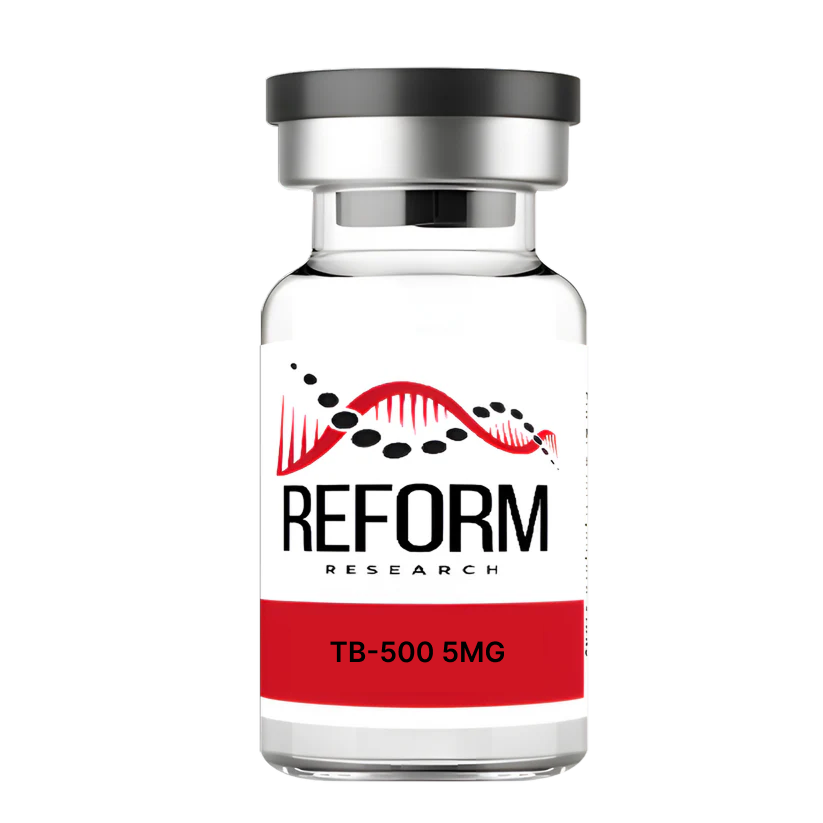
TB-500 is the synthetic form of Thymosin Beta-4, a naturally occurring protein present in nearly all human and animal cells. Thymosin Beta-4 is a key regulator of actin — the protein responsible for cell structure, movement, and division — and plays a fundamental role in how cells migrate to injury sites and contribute to new tissue and blood vessel formation. Due to its effects on cellular motility, TB-500 is a common subject of research into wound healing, cardiac repair models, and soft tissue recovery.
How BPC-157 and TB-500 Are Studied in Preclinical Research
Preclinical work with these peptides relies on carefully designed animal studies — most often in rats and mice — to evaluate efficacy, mechanism, and safety across a range of injury models:
The Synergistic Potential of BPC-157 and TB-500
Many researchers study these two peptides in combination, hypothesizing a synergistic effect greater than either compound alone. The rationale rests on complementary mechanisms: BPC-157 is associated with localized healing and anti-inflammatory activity at the injury site, while TB-500 is associated with systemic support — mobilizing reparative cells and promoting blood vessel formation throughout the body. In a severe muscle tear model, for example, researchers might observe BPC-157 reducing local inflammation while TB-500 supports the broader vascular and cellular response needed for sustained repair. This combined approach remains a significant focus of ongoing preclinical work.
How These Peptides Are Handled in a Laboratory Setting
In preclinical studies, BPC-157 and TB-500 are typically supplied as a lyophilized (freeze-dried) powder for stability, then reconstituted with a sterile solvent immediately before use, and administered to research subjects via standard laboratory injection routes (subcutaneous, intramuscular, or intraperitoneal) or, in some BPC-157 studies, orally in drinking water. Dosing in these studies is calculated per kilogram of animal body weight and varies by study design. These are laboratory protocols for animal research models — they are not instructions for human use, and this guide does not provide human dosing or self-administration guidance.
Sourcing BPC-157 and TB-500 for Research
Compound purity directly affects the validity of any research outcome, so sourcing matters. Reputable suppliers should provide:
- A Certificate of Analysis (CoA) per batch, verified through HPLC and mass spectrometry, with purity of 98% or higher
- Independent third-party lab testing for unbiased quality verification
- Temperature-controlled shipping and clear long-term storage guidance
- Clear "For Research Use Only / Not for Human Consumption" labeling
Sourcing from suppliers that can't provide this documentation introduces real risk to the integrity of any study.
Featured Research Compounds
Frequently Asked Questions
What is BPC-157?
A synthetic 15-amino-acid peptide derived from a protective compound in human gastric juice, studied for effects on tissue repair, angiogenesis, and inflammation.
What is TB-500?
The synthetic form of Thymosin Beta-4, studied for its role in cell migration, tissue regeneration, and blood vessel formation.
Are BPC-157 and TB-500 approved for human use?
No. Both are experimental, sold strictly for laboratory and preclinical research, and are not FDA-approved for human consumption.
Why are they often studied together?
Researchers hypothesize a synergistic effect — BPC-157's localized repair activity paired with TB-500's systemic cell migration and angiogenesis support.
What should researchers look for when sourcing these peptides?
A verified Certificate of Analysis, third-party testing, proper temperature-controlled shipping, and clear research-use-only labeling.